Quiet Cat Breeds: 9 Calm, Lower-Vocality Cats Compared
Compare quiet cat breeds by vocality, activity, grooming, size, and home fit. Learn why a lower-voice profile is not a promise that every individual cat will be silent.
Updated
If you are searching for quiet cat breeds, the useful answer is a shortlist plus a way to test the fit. A low-vocality profile can be helpful when you share walls, work from home, or simply prefer a calm soundtrack. It cannot promise a silent animal, and it should not be used to infer that a cat is independent, cuddly, easy to groom, or automatically happy in an apartment.
The directory data used here lists several breeds with low vocality: American Shorthair, Birman, British Shorthair, Chartreux, Exotic Shorthair, Persian, Ragdoll, Russian Blue, and Selkirk Rex. Treat that list as a starting point for questions. A cat's age, health, socialization, previous home, and current routine can be more useful than a breed label when you meet the individual.
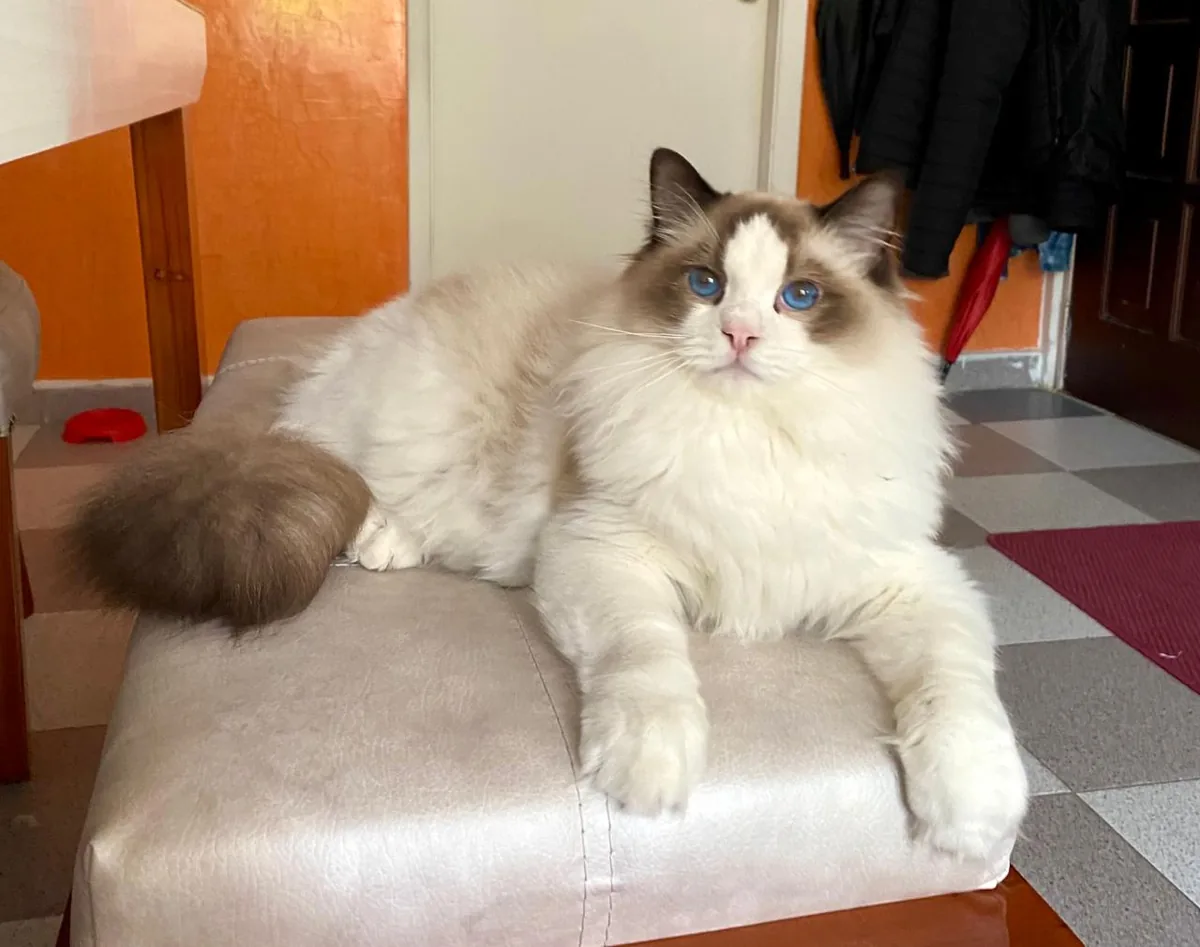
Quick answer: what makes a cat breed quiet?
For this guide, quiet means a lower vocality tendency in the site's profile data. It does not mean that a cat never meows, calls at night, reacts to visitors, or makes noise during play. Cats also communicate through posture, eye contact, movement, scent, and small changes in routine. A quiet cat can be highly social, and a vocal cat can be relaxed and well cared for.
The practical decision is therefore two-part. First, shortlist profiles with lower vocality if household noise matters. Second, compare activity, grooming, size, and companionship needs so you do not solve a noise concern by creating a care mismatch. The full cat breed directory uses the same fields across profiles, while the cat breed selector can help organize a first shortlist.
9 quiet cat breeds compared
The table below is a planning aid based on the directory's broad profile fields. It is not a ranking of the quietest animals, and it does not replace a conversation with a shelter, foster caregiver, or responsible breeder.
| Breed | Voice tendency | Activity and home planning | Coat and care trade-off |
|---|---|---|---|
| American Shorthair | Low | Moderate activity; many homes can support it with routine play | Short, dense coat; weekly brushing and weight-aware play are practical |
| Birman | Low | Moderate activity and a social style; plan regular company | Silky semi-long coat; comb several times a week and check the ruff |
| British Shorthair | Low | Lower activity and a steady indoor style can suit a calmer routine | Dense plush coat; easy weekly brushing does not remove seasonal shedding |
| Chartreux | Low | Moderate activity; provide play and a quiet resting place | Woolly double coat; brush weekly and increase care during coat changes |
| Exotic Shorthair | Low | Lower activity, but gentle play and monitoring remain important | Plush short coat; regular grooming and flat-face health considerations matter |
| Persian | Low | Lower activity and a home-centered routine; avoid treating calmness as no care | Long dense coat; daily combing and attention to eyes, heat, and breathing |
| Ragdoll | Low | Lower activity with a social temperament; use safe indoor movement and play | Silky semi-long coat; comb a few times weekly and monitor body condition |
| Russian Blue | Low | Moderate activity and a preference for predictable routines | Dense short coat; low grooming, with quiet hiding places for a shy individual |
| Selkirk Rex | Low | Lower activity and an easygoing style; still needs daily interaction | Curly dense coat; gentle combing is more useful than aggressive brushing |
The table separates voice from care on purpose. A Persian may be quiet but require daily grooming. A Birman may be quiet and people-focused but dislike being left without interaction. A Russian Blue may settle into a predictable home while taking time to warm to visitors. Read the individual profile for details rather than translating one low rating into a complete personality description.
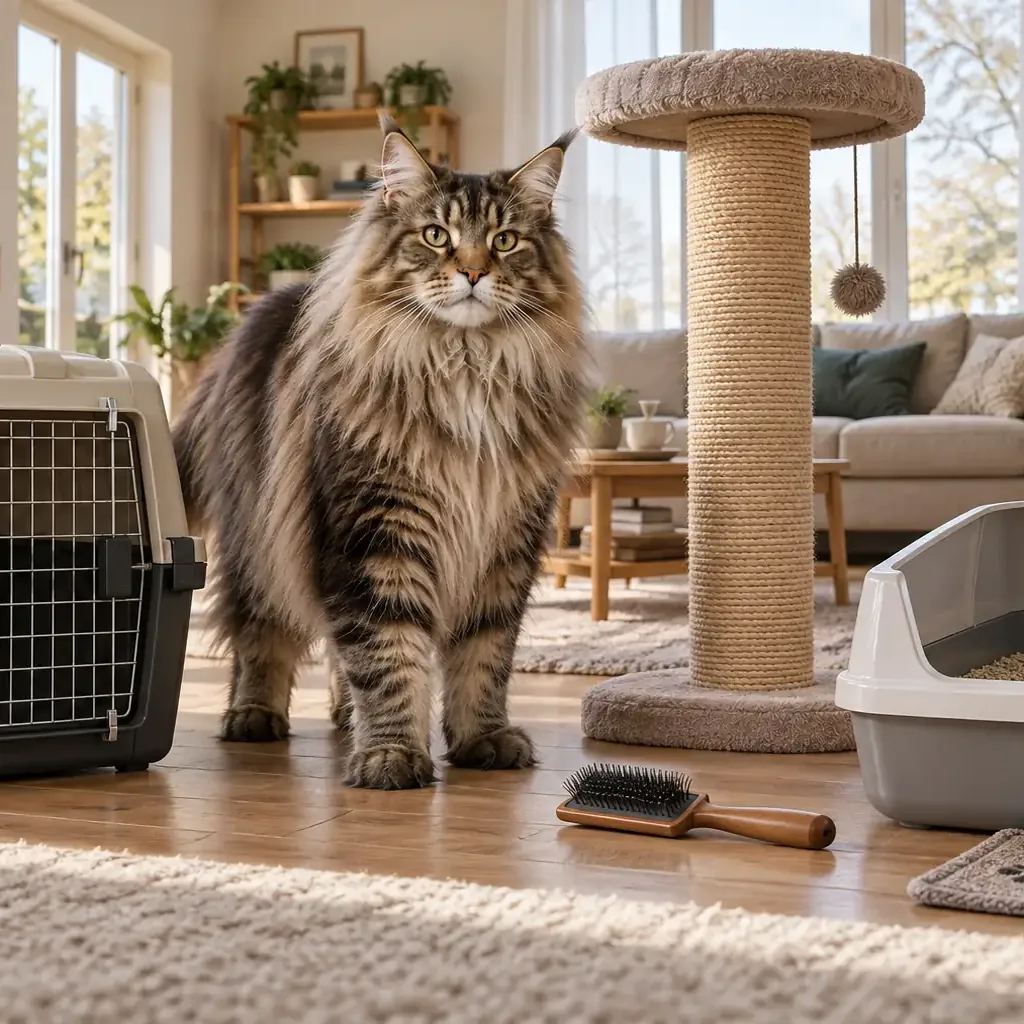
How to choose a quiet cat for your home
1. Define the noise problem precisely
Do you need fewer nighttime calls, less reaction to hallway sounds, or simply a cat that does not narrate every interaction? Write down the situation that matters. Noise sensitivity in a thin-walled apartment is different from wanting a calm companion during video meetings. A profile can suggest questions, but it cannot measure the acoustics of your home.
If a household member has a strict noise limit, plan for ordinary cat sounds as well as meowing. Litter digging, jumping, play, scratching, and a carrier moved for a veterinary visit will still make sound. A quiet-breed shortlist is useful only when the home plan also includes enrichment and a quiet retreat.
2. Compare activity before choosing by voice
Lower vocality does not equal low energy. A quiet, active cat may sprint, climb, or ask for play without making much noise. Provide a stable scratching area, safe vertical space, interactive play, and puzzle feeding where appropriate. If the cat is bored, it may become more vocal or may develop other unwanted routines.
The guide to choosing a cat breed has a broader checklist for time, grooming, shedding, housing, and household members. Use it with the voice field rather than treating “quiet” as a shortcut around daily care. For a breed-by-breed indoor shortlist and home setup, see the indoor cat breeds guide.
3. Match grooming to the routine you can repeat
Quiet profiles include both short-haired and long-haired cats. Persian, Ragdoll, and Birman coats can require more regular combing than a British Shorthair or Russian Blue. A grooming routine is part of the noise plan: a cat that becomes distressed by rushed or painful brushing may vocalize more, while a calm routine can make care predictable.
Ask the current caregiver what tools the cat accepts, how long a session usually lasts, and whether mats or skin changes have occurred. Do not pull tight mats or cut close to skin. A veterinarian or experienced groomer can help with difficult coat problems.
4. Plan for the individual cat's history
Meet an adult cat more than once when possible. Observe feeding, rest, play, handling, visitors, and the moment the cat chooses to leave. A foster caregiver may be able to describe patterns that are invisible during a short shelter visit. Ask whether vocalization changed after illness, pain, medication, relocation, or a change in household routine.
Kittens are still developing their social behavior and daily rhythm. A quiet kitten is not a guarantee of a quiet adult, and a talkative kitten is not a diagnosis of a problem. Sudden or persistent changes in vocalization, appetite, movement, or litter habits deserve veterinary attention.
Quiet does not mean low maintenance
It is easy to combine several wishes into one phrase: quiet, affectionate, independent, hypoallergenic, and easy to groom. These are separate decisions. A quiet long-haired cat can need frequent combing. A short-haired cat can shed. A social cat can be quiet but still need daily company. No cat breed is guaranteed hypoallergenic, and a lower voice profile says nothing about allergy risk.
The site's affectionate cat breed guide explains why “friendly” and “cuddly” should not be treated as synonyms. If you prefer a cat that sits nearby instead of on your lap, describe that preference to the caregiver. If allergies matter, spend time with the specific cat and discuss exposure with an allergy clinician rather than relying on a breed label.
Questions to ask before you decide
Bring specific questions instead of asking only whether a cat is quiet:
- When does the cat usually vocalize: before food, during play, at night, or when left alone?
- What does it do when it wants attention, and how does it show that it needs space?
- How does it respond to visitors, household sounds, grooming, nail care, and a carrier?
- What activity and play routine does it currently have, and what happens when that routine changes?
- Has there been a recent change in meowing, appetite, sleep, movement, or litter-box behavior?
- Which coat-care tools and session length does the cat currently tolerate?
These questions turn a vague promise into observable information. The answer should describe a routine, not a sales label. A responsible breeder, shelter, or foster caregiver should be able to explain what they have actually seen and what they do not know.
Frequently asked questions
What are the quietest cat breeds?
There is no reliable universal quietest breed. The nine profiles above are listed with low vocality in this directory, but the individual cat's health, age, history, and environment can change how much it vocalizes. Use the list to choose which profiles and questions to explore.
What does quiet cat breed mean?
It means a lower vocality tendency in the comparison data. It does not mean silent. Cats communicate through sound and body language, and they may become louder when they are hungry, stressed, in pain, or responding to a changed routine.
Are quiet cats good for apartments?
A lower-voice tendency can help with shared walls, but apartment fit also depends on activity, vertical space, enrichment, litter equipment, and the individual cat. A quiet active cat still needs a daily outlet, and a calm cat still needs safe places to climb or retreat.
Which quiet cat breeds are low maintenance?
American Shorthair, British Shorthair, and Russian Blue have shorter or easier coats in the directory. Persian, Ragdoll, and Birman may need more grooming. Quiet vocality does not remove veterinary, dental, nutrition, play, or environmental needs.
Can a quiet cat still be affectionate?
Yes. Some cats seek company by sitting near a person, following a familiar routine, or initiating quiet play. Affection and vocality are separate traits, so observe how the particular cat approaches, rests, and leaves rather than expecting one behavior from the breed name.
How can I tell whether a specific cat is quiet?
Ask the caregiver about normal behavior across feeding, play, visitors, grooming, and time alone. Meet the cat more than once when possible. A sudden change in vocalization should be discussed with a veterinarian because pain, illness, stress, or sensory changes can affect behavior.
Sources and limitations
Breed organizations describe standards and common tendencies, not guarantees for every animal. For breed background, compare the Cat Fanciers' Association breed directory and The International Cat Association breed information. For practical care and behavior context, see Cornell Feline Health Center's guide to choosing and caring for a new cat and the Merck Veterinary Manual overview of social behavior in cats.
This guide is general breed-selection information, not a behavior assessment or veterinary diagnosis. Directory ratings are editorial comparisons of listed tendencies. Talk with the cat's caregiver about its history and consult a veterinarian about sudden vocal changes, pain, breathing concerns, or other health questions.