7 Most Affectionate Cat Breeds: How Each Shows It
Compare seven sociable cat breeds, learn how each may show affection, and weigh activity, grooming, and vocality before meeting an individual cat.
Updated
Quick answer
There is no single cat breed that is guaranteed to be the most affectionate. Ragdolls, Birmans, Maine Coons, Burmese, Devon Rex cats, Sphynx cats, and Siamese cats are commonly described as sociable or people-oriented. Each may express that tendency differently: one may follow people from room to room, another may start a game, and another may enjoy sitting close without wanting to be picked up.
If you are comparing the most affectionate cat breeds, use these descriptions to choose which profiles to read and which questions to ask about the actual cat.
Use this list to decide which profiles to explore, not to predict a cat's personality. The site's cat breed profiles compare temperament notes with activity, grooming, vocality, and household-fit fields. Meeting the individual cat and asking its current caregiver about daily behavior are more useful than treating a breed label as a promise.
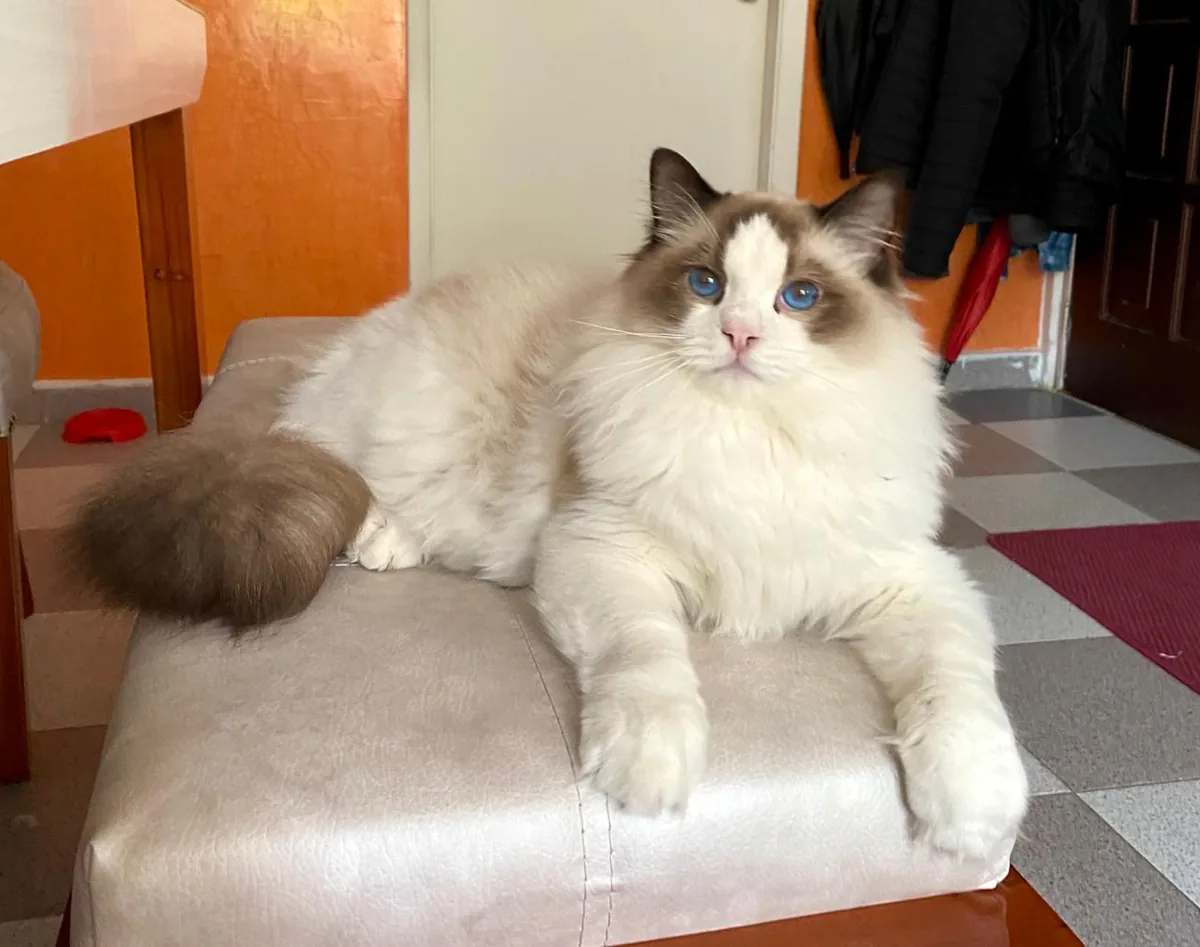
Friendliest cat breeds: a practical comparison
The notes below synthesize breed registry descriptions and this site's editorial profile fields. Ratings are comparison aids, not controlled behavioral research. Grooming needs, activity level, and vocality can help you decide whether a cat's likely routine suits your household; they do not measure affection itself.
If you are comparing friendliest cat breeds or affectionate cat breeds, use the care notes to build a shortlist rather than treat the list as a guaranteed ranking.
| Breed | How sociability may appear | Compare before choosing |
|---|---|---|
| Ragdoll | Often described as gentle, relaxed, and comfortable around people | Medium-to-long coat care; usually less energetic than the most active breeds |
| Birman | Often described as gentle and socially engaged without needing constant excitement | Regular coat care and planned daily company |
| Maine Coon | May enjoy being near people and joining household activity | Large size, coat care, and space for play |
| Burmese | Often described as people-oriented and playful; may actively seek interaction | Higher activity and a stronger need for company |
| Devon Rex | Curious, playful, and likely to join whatever people are doing | Frequent play, warmth, and skin or ear care |
| Sphynx | Often described as warm and highly people-focused | Skin care, warmth, activity, and regular attention |
| Siamese | Social and expressive; some communicate often with people | Higher activity and vocality; needs interaction and enrichment |
Treat the table as a shortlist. Breed clubs and registries describe common traits, while this site's ratings summarize profile data. Neither source can tell you whether one cat will sleep on your lap, enjoy being carried, or choose a quiet corner instead.
1. Ragdoll: gentle company, not a guaranteed lap cat
Ragdolls are frequently described as calm, sociable, and people-oriented. Some enjoy being close to their household and may settle nearby during quiet routines. That does not mean every Ragdoll likes being held, goes limp when picked up, or wants uninterrupted contact. Respect a cat's choice to leave, and ask how it behaves when visitors arrive, when play begins, and when it is resting.
A long coat also means affection is only one part of the match. Ask whether the cat accepts brushing and compare the time you can give coat care with the profile's grooming notes. See the site's Ragdoll profile for its care and household-fit fields.
2. Birman: gentle, socially present interaction
Birmans are often described as friendly and gentle. They may prefer to remain close to family life without being as vocal or as constantly active as some people-focused breeds. If you want a cat that can share a room calmly, this profile may be worth reading, but observe the actual cat: an adult's established habits can be more informative than a general breed summary.
The semi-long coat still needs a realistic grooming routine. A Birman is not automatically a low-maintenance cat simply because its temperament is described as easygoing. Compare the Birman profile with your schedule, household activity, and willingness to brush regularly.

3. Maine Coon: sociable presence with a larger care footprint
Maine Coons are commonly described as social and playful. Some prefer to follow the household or join activities rather than stay on a lap. That difference matters if your definition of an affectionate cat is constant physical contact. TICA's breed description is a useful reference for the breed's people-oriented reputation, while the site's Maine Coon profile makes size, grooming, activity, and vocality easier to compare.
Their larger build and longer coat create practical considerations. Check whether you can provide appropriately sized equipment, regular brushing, and enough safe space for play. A social temperament does not cancel out those daily needs.
4. Burmese: interaction-seeking and playful
Burmese cats are often characterized as people-focused and playful. If a cat wants attention, that may look like initiating play, staying close, or vocalizing rather than quietly curling up. This can be a good fit for someone who enjoys active interaction and has time for it. It may be a mismatch for a household that expects an independent cat to entertain itself all day.
The site rates Burmese activity higher than several of the quieter profiles and grooming lower. Those ratings describe care comparisons rather than affection scores. Review the Burmese profile, and ask a breeder, foster, or shelter how the individual cat handles time alone and changes in routine.
5. Devon Rex: curious, playful closeness
A Devon Rex may show interest by investigating what people are doing, joining games, or staying involved in a busy room. A playful cat can be highly social without wanting to be held for long periods. Offer interactive play and a safe indoor environment, then let the cat approach and retreat at its own pace.
The short, fine coat does not make every care question disappear. Check skin and ear care with a veterinarian or experienced caregiver, and assess the cat's energy before deciding it is an easy companion. The Devon Rex profile includes care notes to discuss.
6. Sphynx: high-contact reputation and specific care needs
Sphynx cats are often described as warm, energetic, and strongly interested in people. Some seek warmth and company, so a person may interpret that closeness as affection. The practical side matters just as much: skin care, a comfortable warm environment, daily interaction, and appropriate veterinary guidance are part of responsible planning.
Hairlessness does not mean hypoallergenic, and it does not mean no grooming or skin care. If allergies matter, use the site's hypoallergenic cat breed guide as a starting point for cautious questions, not as a guarantee that a specific cat will not cause symptoms. Read the Sphynx profile and consult an allergy clinician about personal health concerns.
7. Siamese: expressive social contact
Siamese cats are known for being social and vocal. Some communicate frequently, follow people, and prefer an interactive home. That can feel affectionate to someone who likes conversation and play. It can feel demanding to someone who wants a quiet companion. Consider activity and vocality separately from friendliness, and ask about the actual cat's noise and play patterns.
The photo below is from the site's credited breed-photo set; it shows a Siamese cat, not a behavior test. The Siamese profile summarizes the site's activity, grooming, and vocality comparisons.

Affection vs cuddling
People often use “affectionate” and “cuddly” as if they mean the same thing. They do not. A cat may choose to sleep near you, greet you at a doorway, follow you through the house, bring a toy, or relax in the same room without wanting to sit on a lap. Those can all be social behaviors. Physical restraint or forced handling is not evidence of a close bond.
When you meet a cat, let it approach if it wants to. Watch for relaxed posture, voluntary return after exploring, and the ability to disengage comfortably. Avoid relying on one brief introduction: a shelter visit, a busy room, or a new home may affect behavior temporarily. Ask for observations across ordinary routines, including play, feeding, rest, and contact with familiar people.
Affection vs calm and low-maintenance care
A friendly cat is not automatically quiet, relaxed, independent, or easy to care for. The site's existing breed-selection guide compares grooming, activity, shedding, space, and household needs. Use it alongside the profiles rather than turning one personality adjective into a full care recommendation.
For example, a social, high-energy cat may need daily play and companionship; a long-coated cat may need regular brushing; and a vocal cat may be a difficult fit for someone with strict noise limits. A calm cat may be less active without being especially cuddly. Compare the specific trait you care about, then ask how the actual cat behaves.
How to choose the individual cat
Before deciding, ask the cat's current caregiver a few concrete questions:
- Does this cat choose to approach familiar people, and what does it do when it wants space?
- How does it behave during play, grooming, feeding, and quiet time?
- How long is it comfortable being alone, and what changes when the routine shifts?
- Has it lived with children, other cats, or dogs? What was directly observed?
- Are there health, mobility, sensory, or stress factors that affect handling?
- What coat, skin, enrichment, and veterinary routines will it need?
When possible, meet an adult cat more than once and ask for a foster or caregiver's observations. If choosing a kitten, remember that adult temperament is not yet established. Breed history can guide questions, but early socialization, health, experience, and the home environment matter too. The cat breed selector can help organize profile comparisons, and the comparison tool can help you look at multiple breeds side by side.
Frequently asked questions
What are the most affectionate cat breeds?
There is no reliable universal winner. If you are asking which cat breed is the most affectionate, Ragdolls, Birmans, Maine Coons, Burmese, Devon Rex cats, Sphynx cats, and Siamese cats are often described as people-oriented, but individuals vary. Meet the cat and ask its caregiver about ordinary behavior.
Are there cat breeds that are more affectionate?
Breed descriptions can point to sociability or a tendency to seek company. They cannot guarantee that a cat will be a lap cat. Socialization, health, past experience, environment, and personal preference also matter.
What are the most cuddly cat breeds?
Ragdolls and Birmans are often described as gentle and people-oriented, while Burmese cats may actively seek company. These are broad tendencies, not promises of cuddling. Some affectionate cats prefer to sit nearby rather than be held.
Which cat breed loves humans the most?
No breed can be proven to love people more than every other breed. Look for the specific cat's voluntary approach, relaxed interaction, play, and comfort with handling rather than relying on a breed label alone.
Can an affectionate cat also be quiet and low-maintenance?
Possibly, but affection, vocality, energy, grooming, and care are separate traits. Compare them separately, then ask about the particular cat's routine and behavior.
Sources and limitations
Breed organizations describe breed standards and common traits, not guarantees about every animal. For background, see the Cat Fanciers' Association Ragdoll profile, The International Cat Association Maine Coon profile, Cornell Feline Health Center's guide to choosing and caring for a new cat, and the Merck Veterinary Manual's overview of social behavior in cats.
This is general breed-selection information, not veterinary advice or a behavior assessment of a particular cat. Ask the animal's caregiver about its history and consult a veterinarian about health or handling concerns.